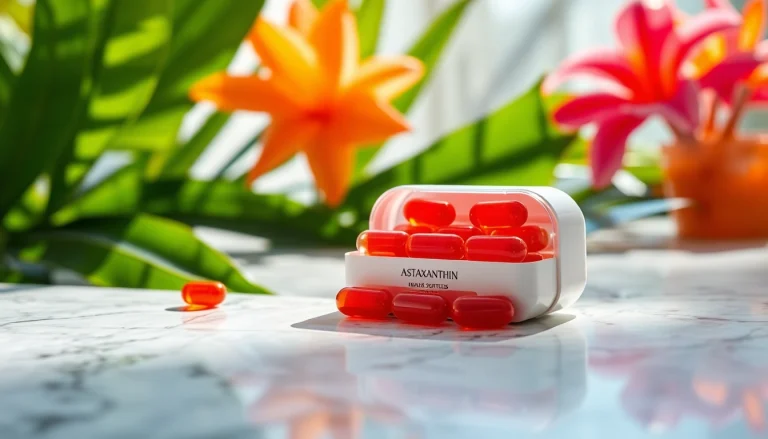
Understanding Astaxanthin Softgels
What is Astaxanthin?
Astaxanthin is a powerful carotenoid found in various organisms including microalgae, salmon, and shrimp. This natural pigment gives these organisms their characteristic reddish-pink color. Known for its potent antioxidant properties, astaxanthin has garnered attention in the health and wellness community. Unlike other carotenoids, astaxanthin is renowned for its ability to cross the blood-brain barrier and provide a variety of health benefits. These benefits include enhancing cellular health and providing protection against oxidative stress, making it a popular ingredient in dietary supplements, particularly in astaxanthin softgels.
Composition of Astaxanthin Softgels
A typical astaxanthin softgel is crafted to deliver concentrated doses of astaxanthin derived from microalgae. These softgels are formulated with natural oils, preservatives, and other ingredients designed to enhance absorption and effectiveness. Each softgel typically contains a specific amount of astaxanthin, along with additional compounds that may support its stability and bioavailability. The lipid matrix helps solubilize the astaxanthin, ensuring that it is readily absorbed by the body upon ingestion.
How Astaxanthin Softgels Work
Astaxanthin acts as a potent antioxidant, neutralizing free radicals in the body. Once ingested, the carotenoid enters systemic circulation, where it can effectively protect cell membranes from oxidative damage. This unique compound works by simultaneously quenching singlet oxygen and scavenging free radicals, thus providing extended protection. In addition to its antioxidant actions, astaxanthin supports various bodily functions by modulating immune response, reducing inflammation, and promoting skin health.
Health Benefits of Astaxanthin Softgels
Boosting Immune Function
One of the most notable health benefits associated with astaxanthin softgels is their capacity to bolster immune function. Research indicates that astaxanthin enhances the activity of immune cells, including T-cells and macrophages, which are crucial for defending the body against infections and diseases. Regular consumption of astaxanthin softgels may lead to improved immune resilience, reducing the likelihood of illnesses and enhancing recovery from infections.
Enhancing Skin Health
Astaxanthin has emerged as a popular ingredient in skincare due to its effectiveness in combating skin aging. It helps to improve skin elasticity, reduce the appearance of fine lines and wrinkles, and promote an even skin tone. Astaxanthin’s antioxidant properties also protect the skin from UV radiation damage, making it a valuable ally in sun protection. Users of astaxanthin softgels often report enhanced skin hydration and a more youthful appearance after consistent use.
Supporting Eye Health
Another significant benefit of astaxanthin softgels is their potential to support eye health. Astaxanthin is known to accumulate in the retina and protect it from oxidative stress that can lead to conditions like macular degeneration and cataracts. It helps to improve visual acuity, reduce eye strain, and enhance overall visual performance. Regular consumption of astaxanthin softgels may aid in maintaining optimal eye function, especially in individuals exposed to prolonged screen time.
Using Astaxanthin Softgels Effectively
Recommended Dosage
When using astaxanthin softgels, determining the appropriate dosage is essential for achieving optimal results. Most studies recommend a daily intake ranging from 4 to 12 mg of astaxanthin. However, individual needs may vary based on factors such as health status and lifestyle. It is advisable to start with a lower dose and gradually increase it to assess tolerance and effectiveness.
Best Time to Take Softgels
To maximize absorption and benefits, it’s usually recommended to take astaxanthin softgels with meals. Consuming them alongside dietary fats helps the body absorb fat-soluble nutrients more efficiently. Many users find taking their softgels in the morning with breakfast beneficial; however, incorporating them at any meal can be effective based on personal preference.
Combining with Other Supplements
Combining astaxanthin softgels with other supplements can be beneficial, especially those that enhance antioxidant protection. For instance, taking astaxanthin alongside omega-3 fatty acids can further support cardiovascular health and reduce inflammation. Always consult with a healthcare provider to create a personalized supplement regimen that considers potential interactions and individual health needs.
Potential Side Effects and Precautions
Common Side Effects
For most individuals, astaxanthin is well-tolerated, but some may experience mild side effects. These can include digestive discomfort, such as nausea, diarrhea, or abdominal cramps. These issues are typically transient and can often be mitigated by reducing the dosage or taking the softgels with food.
Interactions with Medications
Astaxanthin may interact with certain medications, particularly blood thinners and anticoagulants, by amplifying their effects. Therefore, it is essential to inform your healthcare provider about any supplements you are taking, including astaxanthin softgels, to avoid potential adverse interactions.
Who Should Avoid Astaxanthin?
Individuals with specific health conditions, particularly those related to hormone-sensitive issues, should exercise caution when considering astaxanthin softgels. Pregnant or nursing women, as well as those with underlying health conditions, should consult a healthcare professional prior to starting supplementation to ensure safety and appropriateness.
FAQs About Astaxanthin Softgels
What are the primary benefits of taking astaxanthin softgels?
Astaxanthin softgels are known for boosting immune health, improving skin appearance, and supporting eye health.
Can I take astaxanthin softgels while pregnant?
It’s important to consult a healthcare professional before taking astaxanthin softgels during pregnancy.
How long does it take to see results?
Users typically report noticeable benefits within 2 to 4 weeks of consistent use.
Are there any known interactions with medications?
Astaxanthin may interact with anticoagulants; consult your healthcare provider for personalized advice.
Is it safe for children to use astaxanthin softgels?
Consult a pediatrician before giving astaxanthin softgels to children to ensure safety and appropriate dosage.
About the Author