Understanding the Basics of Sports Broadcasting
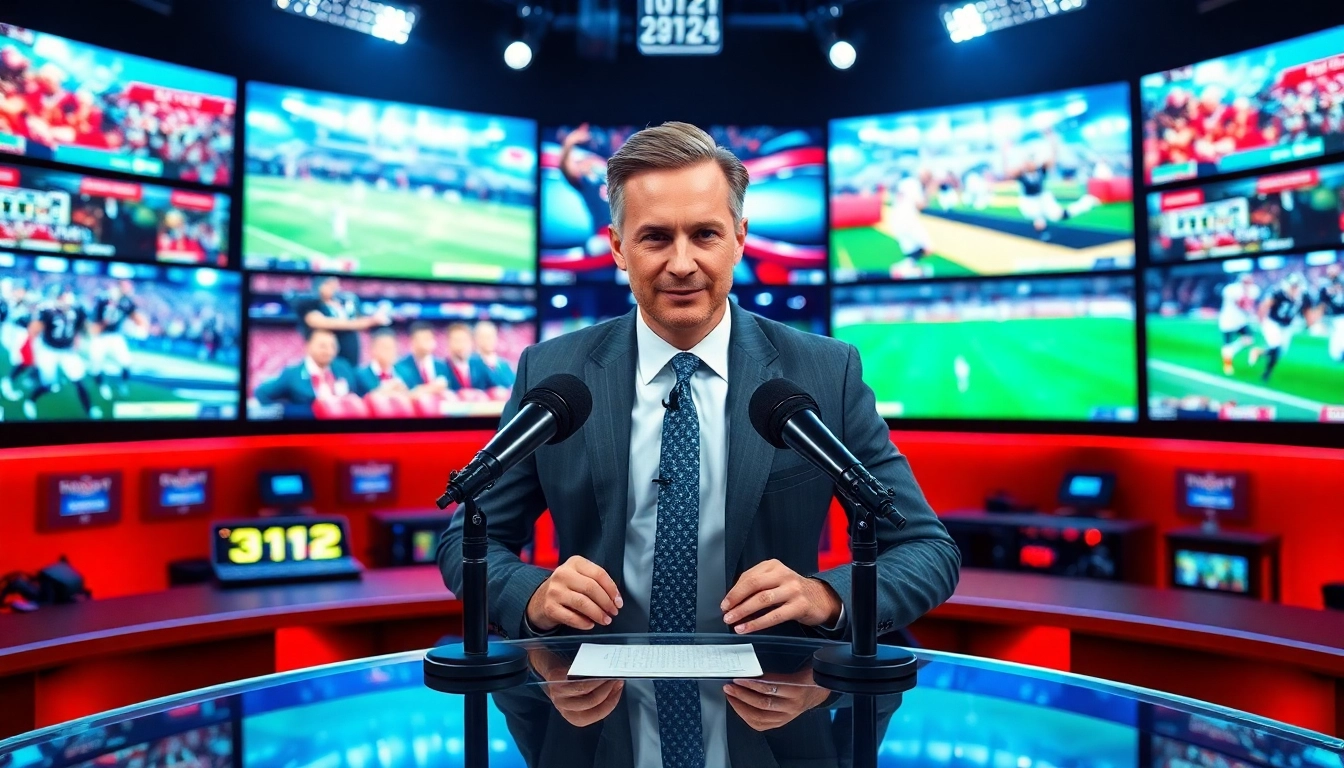
Sports broadcasting is a crucial component of the sports industry, presenting games and events to audiences via various media outlets. It provides a platform for fans to engage with their favorite sports, teams, and athletes, often transcending geographic barriers. This article delves into the fundamentals of Sports Broadcasting, exploring its integral elements, equipment requirements, successful techniques, and challenges faced by broadcasters.
The Role of a Sports Broadcaster
Sports broadcasters serve as the voice of the game. They not only provide play-by-play commentary but also offer insightful analysis to enhance the viewing experience. Their ability to convey excitement, emotional depth, and critical information shapes audience engagement. Broadcasters must possess deep knowledge about the sport, athletes, rules, and strategies to effectively communicate with viewers.
Key Terminologies in Sports Broadcasting
Understanding key terms is essential for anyone entering the sports broadcasting field:
- Play-by-Play: This involves narrating the actual events of the game as they happen.
- Color Commentary: Analysis provided by a commentator that offers deeper insight into what is occurring.
- Live Stream: Broadcasting an event in real-time over the Internet, allowing audiences to watch as it unfolds.
- Remote Broadcast: A broadcast done away from the studio, often from the venue of the event.
Types of Sports Broadcasting
Sports broadcasting can be classified into several types, each catering to specific audiences:
- Television Broadcasting: Traditional medium for sports broadcasting, often featuring high production quality and extensive camera coverage.
- Radio Broadcasting: An audio-only format that provides coverage of games, which is especially popular during long drives.
- Online Streaming: The growing trend of watching sports through streaming services, allowing for flexibility and accessibility on various devices.
- Social Media Broadcasting: Use of platforms like Facebook Live or Twitter to engage with fans through live updates and commentary.
Essential Equipment for Sports Broadcasting
Cameras and Audio Equipment
High-quality cameras are essential for delivering visually compelling content. Broadcasters often use multiple camera angles to ensure that viewers don’t miss critical moments. Additionally, audio equipment plays a vital role; clear sound is necessary for commentaries, interviews, and the ambient sounds of the event, such as crowd reactions.
Broadcasting Software and Tools
Many broadcasters utilize specialized software for tasks such as live graphics insertion, replay functions, and remote guest interviews. Tools like video switchers, graphics generators, and automation software help seamlessly connect various elements of a broadcast, ensuring a professional presentation.
The Importance of Reliable Internet Connections
With the rise of online streaming, having a robust and stable internet connection is paramount. Interruptions can lead to significant disruptions in viewership, impacting overall audience engagement. Broadcasters should invest in redundant internet connections and backup systems to minimize downtime during live events.
Techniques for Successful Sports Broadcasting
Improving On-Air Presentation Skills
To captivate an audience, sports broadcasters must refine their delivery skills. This includes voice modulation, pacing, and using an engaging vocabulary. Practicing in front of a mirror or recording oneself can help broadcasters identify areas needing improvement, ensuring a more polished on-air presence.
Engaging with Your Audience Effectively
Effective audience engagement encompasses both on-air interaction and social media presence. Broadcasters should encourage viewer participation by responding to comments and integrating audience feedback into their discussions. Utilizing polls, Q&A sessions, and live chats can also enhance viewer connection.
Crafting Compelling Narratives
A captivating narrative can elevate the viewer’s experience from mere spectatorship to emotional investment. Broadcasters should weave stories concerning players, past events, and the stakes of the game to create drama and urgency that resonates with the audience.
Challenges in Sports Broadcasting and Their Solutions
Dealing with Unexpected Events Live
Live sports broadcasting is inherently unpredictable. Broadcasters must stay composed and adaptable, ready to handle unforeseen situations like power outages, technical glitches, or even dramatic game changes. Training and simulations can prepare broadcasters to tackle such challenges calmly and intelligently.
Common Technical Issues and How to Overcome Them
Technical issues, ranging from audio dropouts to video lag, can detract from a broadcast. Broadcasters should conduct pre-event checks and maintain close communication with technical support throughout the event. Having an experienced technical team on standby ensures quick resolution of issues.
Managing Audience Expectations
Setting realistic expectations with audiences is key to maintaining trust and loyalty. Clear communication about broadcasting capabilities, including any limitations in coverage or technology, can help mitigate disappointment during live events.
Analyzing Performance in Sports Broadcasting
Measuring Audience Engagement Metrics
Audience engagement can be analyzed through metrics such as viewer count, social media interactions, and duration of viewership. By utilizing analytics tools, broadcasters can assess which elements of their broadcasts resonate most and refine their approach accordingly.
Understanding Ratings and Reach
Broadcasters often rely on ratings to gauge their performance. Understanding the demographics of their audience helps in creating targeted content that appeals to specific viewer segments. Adjusting broadcast strategies based on ratings can optimize performance and attract new viewers.
Leveraging Feedback for Improvement
Soliciting viewer feedback can provide invaluable insights into what works and what needs improvement. Surveys, social media comments, and direct engagement with viewers can help broadcasters adapt and evolve their programming to better meet audience expectations.
Frequently Asked Questions about Sports Broadcasting
What education is required for sports broadcasters?
While a degree in journalism, communications, or broadcasting is common, practical experience, networking, and a strong demo reel are often more critical for success.
How can one break into sports broadcasting?
Starting with internships, volunteering for local sports coverage, and building a personal brand on social media makes one more visible to potential employers.
What skills are essential for a sports broadcaster?
Key skills include strong communication, analytical thinking, adaptability, and a passion for sports, which can convey credibility and enthusiasm on-air.
What technologies are changing sports broadcasting?
Emerging technologies like augmented reality, drones for aerial shots, and artificial intelligence for viewer interaction are revolutionizing sports broadcasting.
How important is storytelling in sports broadcasting?
Storytelling is crucial as it adds depth to the broadcast, engaging viewers emotionally and making them feel connected to the sport and athletes.
About the Author