Understanding AI Image Checkers
The increasing prevalence of artificial intelligence (AI) in image generation has brought about significant challenges concerning authenticity and misinformation. As a result, the need for reliable tools to discern between AI-generated and genuine images has surged. In this context, an ai image checker emerges as a crucial tool for individuals and organizations alike, offering a pathway to verify the authenticity of images swiftly and efficiently. This article delves into how these tools operate, their benefits, common challenges, and future trends in AI image detection.
What is an AI Image Checker?
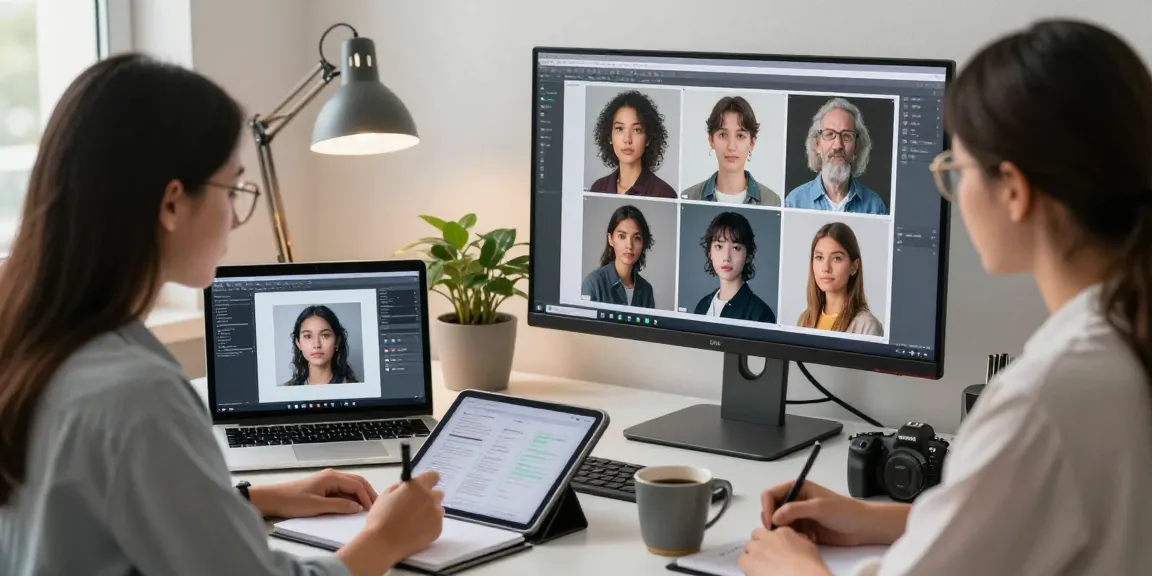
An AI image checker is an online tool that utilizes machine learning algorithms to analyze images and determine whether they have been generated or manipulated by AI. This technology scans for various indicators such as patterns, artifacts, and metadata that suggest the image’s origin, providing results that are often accompanied by a probability score indicating the likelihood of AI involvement. With the rise of deepfakes and manipulated media, these tools are becoming essential for verifying the authenticity of visual content in news, social media, and other platforms.
How Does AI Image Detection Work?
AI image detection works through a combination of sophisticated algorithms and data analysis. When a user uploads an image, the checker analyzes several aspects of the file:
- Image Patterns: AI-generated images often exhibit distinct patterns that differ from those captured by cameras.
- Metadata Examination: The metadata embedded in digital images can reveal whether an image has been artificially created or altered.
- Artifact Detection: Artifacts from image generation processes can be detected, further indicating the nature of the image.
These factors are evaluated using trained neural networks that have been exposed to vast datasets of both AI-generated and real images to improve their accuracy.
Key Features of AI Image Checkers
AI image checkers come equipped with various features that enhance their usability and effectiveness:
- Multi-format Support: Most tools support a variety of formats like JPG, PNG, WebP, and GIF.
- Probabilistic Scoring: Results typically include a confidence score indicating the likelihood of AI involvement.
- User-friendly Interface: Many checkers allow users to simply drag and drop images or paste URLs without the need for sign-up.
Benefits of Using an AI Image Checker
Employing an AI image checker offers numerous advantages that cater to various sectors, from journalism to education and beyond. Below are some key benefits:
Protecting Against Misinformation
In an age where misinformation can spread rapidly, AI image checkers provide a mechanism to verify the authenticity of images shared online. By helping to confirm whether images have been manipulated or generated, these tools empower users to combat fake news and misinformation effectively.
Enhancing Content Authenticity
For brands and content creators, ensuring the authenticity of visual content is paramount. Using an AI image checker can enhance the credibility of content, assuring viewers that images have not been misleadingly altered or generated.
Supporting Legal and Ethical Standards
In legal and ethical contexts, verifying image authenticity can have significant implications. AI image checkers can aid in ensuring compliance with copyright laws and ethical standards by helping to establish the origin of an image.
Common Challenges with AI Image Checkers
While AI image checkers are powerful tools, they are not without their challenges. Understanding these can help users make better-informed decisions.
Accuracy and Reliability of Results
One of the most pressing concerns is the accuracy of the results. No detection system is foolproof; false positives and negatives can occur. It is crucial for users to understand the limitations of these tools and to complement them with additional verification methods when needed.
Understanding Detection Limitations
AI image checkers may struggle with certain types of images or manipulations that are less prevalent in training datasets. This limitation means that users should remain cautious and aware that not all AI-generated content may be detectable.
Integrating AI Tools into Workflows
For organizations looking to integrate AI image checkers into their workflows, challenges may arise in terms of technical implementation and staff training. Ensuring that team members are proficient in using these tools is essential for maximizing their effectiveness.
Best Practices for Using an AI Image Checker
To fully leverage the capabilities of an AI image checker, consider the following best practices:
Steps for Effective Image Uploading
When using an AI image checker, ensure that the images being uploaded are clear and of high quality. This enhances the accuracy of the detection results.
Interpreting Detection Results
Users should familiarize themselves with how to interpret the results produced by the AI image checker. Understanding the confidence scores and what constitutes a definitive result is crucial for making informed decisions.
Using Outcomes to Inform Decisions
The results from AI image checkers should inform rather than dictate decisions. Using these insights in conjunction with other verification methods can lead to a more holistic understanding of the content’s authenticity.
Future Trends in AI Image Detection
The field of AI image detection is evolving rapidly. Here are some emerging trends that are likely to shape its future:
Emerging Technologies and Innovations
As technology progresses, we can expect advancements in machine learning algorithms that will improve the precision and reliability of AI image checkers. Innovations such as enhanced deep learning models and more extensive datasets will pave the way for better detection capabilities.
Predictions for AI Image Checker Advancements by 2026
By 2026, AI image checkers will likely integrate more advanced features, including real-time analysis and automated reporting tools. These enhancements will streamline the verification process, making it even more accessible for users.
Potential Market Growth and Application Areas
The demand for AI image detection tools is set to grow across various sectors, including journalism, social media, and digital marketing. As concerns regarding misinformation continue to rise, more applications of AI image checkers will emerge, positioning them as essential tools for many industries.
What image formats does the AI image checker support?
Most AI image checkers support a wide range of image formats. Common formats include JPG, PNG, and GIF, among others. This flexibility allows users to check various types of images without worrying about compatibility issues.
Is the AI image checker free to use?
Many AI image checkers offer free versions that allow users to upload images without any sign-up requirements. However, some advanced features or higher usage limits might require a subscription or payment.
Can I do more than 10 checks per hour?
Checkers typically have limitations on the number of checks that can be performed in a given timeframe, especially in free versions. Users seeking increased limits should explore premium options available through the tool.
About the Author