Understanding Concrete Cleaning
Concrete surfaces are integral to various residential and commercial properties, playing a vital role in aesthetics and safety. Over time, these surfaces can accumulate dirt, stains, and mold, making concrete cleaning essential for maintaining their appearance and functionality. In this comprehensive guide, we will explore the techniques and benefits of effective concrete cleaning, ensuring your property looks its best while ensuring safety and longevity.
What is Concrete Cleaning?
Concrete cleaning refers to the process of removing dirt, stains, moss, and other contaminants from concrete surfaces. This can be achieved through various methods, including pressure washing, chemical treatments, and scrubbing. Each technique serves different purposes and effectiveness, depending on the level of dirt and the type of concrete surface being cleaned.
Common Reasons for Concrete Cleaning
- Stains: Oil, grease, and rust stains are common on driveways and parking lots, making them unsightly and hazardous.
- Mold and Mildew: In humid climates, mold and mildew can thrive on concrete surfaces, posing health risks and damaging the concrete over time.
- Regular Maintenance: Routine cleaning prevents the buildup of dirt and grime, extending the life of your concrete surfaces.
- Preparation for Sealing: Before sealing concrete, a thorough cleaning is necessary to ensure proper adhesion and durability of the sealant.
Benefits of Regular Concrete Maintenance
Regular maintenance through concrete cleaning offers numerous benefits:
- Enhanced Aesthetics: Clean concrete looks more appealing and can enhance the overall curb appeal of a property.
- Safety: Removing slippery substances like algae and oils reduces the likelihood of accidents on driveways and walkways.
- Prolonged Lifespan: Regular cleaning helps prevent the deterioration of concrete, protecting your investment over time.
- Increased Property Value: A well-maintained exterior can significantly increase the resale value of your property.
Techniques for Effective Concrete Cleaning
Pressure Washing vs. Soft Washing: What’s Best?
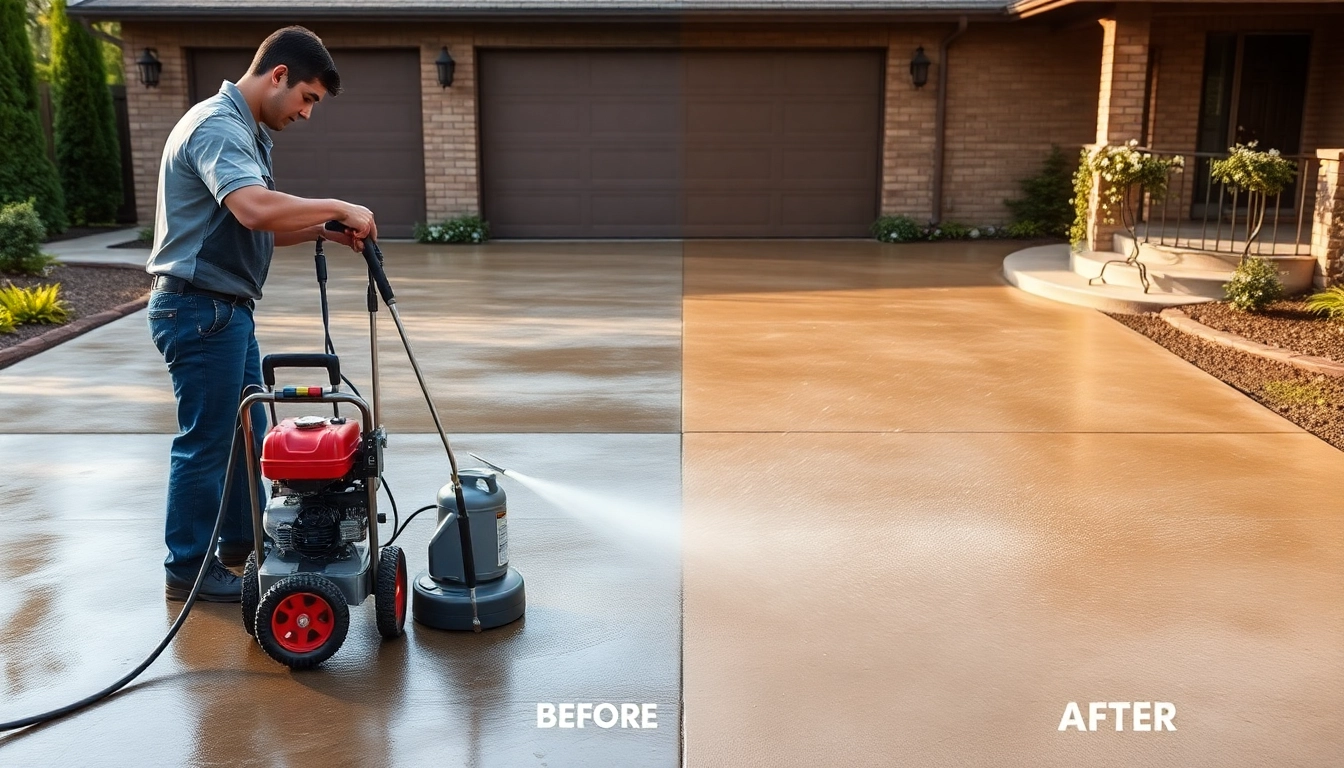
Pressure washing utilizes high-pressure water to blast away stains and dirt, making it ideal for tough grime on driveways and patios. Conversely, soft washing employs low pressure combined with specialized cleaning solutions to safely clean more delicate surfaces without causing damage. The choice between the two methods largely depends on the nature of the stains and the concrete’s condition.
Choosing the Right Cleaning Agents
Effective concrete cleaning often requires the use of appropriate cleaning agents. Here are some common options:
- Detergents: Suitable for general cleaning, detergents help break down dirt and oil, making it easier to wash away.
- Acidic Cleaners: Products like muriatic acid or phosphoric acid are ideal for removing rust stains or mineral deposits.
- Eco-friendly Cleaners: Biodegradable and non-toxic cleaners are becoming increasingly popular, appealing to environmentally conscious consumers.
Step-by-Step Concrete Cleaning Process
To ensure effective cleaning, follow these steps:
- Prepare the area by removing furniture, plants, and any obstructions.
- Pre-treat stains with appropriate cleaning agents and allow them to sit for a specified time.
- Using either a pressure washer or a soft wash system, apply water to the surface, starting from the highest point and working downwards.
- Rinse thoroughly to remove all cleaning residues and contaminants.
- For added protection, consider sealing the concrete post-cleaning to prevent future stains.
Tools and Equipment for Professional Concrete Cleaning
Essential Equipment for Concrete Cleaning
Professionals rely on specialized equipment to achieve optimal results:
- Pressure Washers: High-power machines designed to deliver varying pressure levels for different surfaces.
- Surface Cleaners: Attachments for pressure washers that provide even cleaning across large areas.
- Cleaning Brushes and Brooms: Essential for scrubbing tough stains and ensuring thorough cleaning.
Safety Gear for Technicians
Safety should always be a priority during concrete cleaning. Technicians should wear:
- Protective eyewear: To shield eyes from debris and splashes.
- Gloves: To protect hands from harsh chemicals and sharp surfaces.
- Respirators: When using chemical cleaners that produce harmful fumes.
Innovative Technologies in Concrete Cleaning
The concrete cleaning industry is evolving, with new technologies enhancing cleaning efficiency and safety. Innovations like eco-friendly cleaning agents and advanced pressure washing techniques minimize environmental impact while maximizing cleaning power.
Cost Factors in Concrete Cleaning Services
Understanding Pricing Models for Concrete Cleaning
Pricing for concrete cleaning services can vary based on several factors:
- Surface Area: Larger areas will naturally incur higher cleaning costs due to increased labor and materials.
- Type of Stains: Heavily soiled surfaces may require more intensive cleaning methods, increasing the price.
- Geographic Location: Prices may differ based on the local market and demand.
How to Estimate Homeowner Service Costs
Homeowners should consider the size of the concrete area, the level of dirt, and any specific treatments needed when obtaining estimates. It’s advisable to seek quotes from multiple providers to compare costs and services.
Commercial vs. Residential Concrete Cleaning Costs
Commercial cleaning services often differ from residential services due to scale and complexity. Job sizes, equipment needs, and labor intensity all contribute to cost variations, with commercial projects typically requiring more extensive equipment and safety measures.
Future Trends in Concrete Cleaning (2025 and Beyond)
Eco-friendly Cleaning Solutions
As environmental awareness grows, eco-friendly concrete cleaning solutions will continue to gain popularity. Businesses that adopt green practices not only appeal to eco-conscious customers but also align with regulatory standards.
Emerging Technologies in Surface Cleaning
The future will likely see advancements in cleaning technology, with innovations such as robotic cleaners and automated pressure washing systems becoming more commonplace, enhancing efficiency and reducing labor costs.
Consumer Preferences and Industry Adaptation
As consumer preferences shift towards sustainability and convenience, the concrete cleaning industry will need to adapt. Offering flexible scheduling and subscription services may become vital in meeting customer demands while ensuring consistent maintenance.
About the Author