
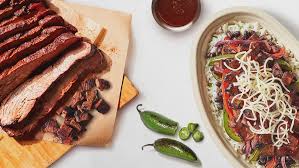
Chipotle is a unique ingredient that has become a staple in kitchens worldwide. But if you’ve ever wondered, what does chipotle taste like, this guide will explore its distinct flavor, aroma, and culinary versatility. Understanding chipotle’s taste profile can help you enhance your cooking, experiment with new recipes, and impress your taste buds.
Understanding Chipotle: What It Is
The Origin of Chipotle
Chipotle is essentially a smoke-dried jalapeño pepper. Jalapeños are harvested when ripe and then dried using a smoke-curing process. This method not only preserves the pepper but also infuses it with a rich, smoky flavor that distinguishes it from fresh jalapeños.
Types of Chipotle
There are a few variations of chipotle that influence its taste:
- Chipotle Morita: Dark red, wrinkled, and sweet with a smoky flavor.
- Chipotle Meco: Lighter tan, more earthy and intense in smokiness.
Knowing the type of chipotle can help you predict the flavor intensity in your dishes.
The Flavor Profile: What Does Chipotle Taste Like
Smoky and Rich
The first thing you notice about chipotle is its deep smokiness. Imagine the scent of a fire-roasted barbecue; that’s the essence chipotle brings to your palate. This smokiness adds warmth and depth to sauces, marinades, and stews.
Mild to Moderate Heat
Unlike fresh jalapeños, chipotle peppers provide a slow-building heat rather than a sharp, immediate burn. It’s often described as a gentle warmth that lingers, perfect for people who enjoy spicy food without overwhelming their taste buds.
Sweet and Earthy Undertones
Beyond heat and smoke, chipotle carries subtle sweetness. This flavor is reminiscent of roasted red peppers and even chocolate in some cases. Its earthy undertones give dishes a grounded, savory character.
Tangy Notes in Chipotle Sauce
Chipotle sauce or adobo chipotle has a tangy, slightly acidic quality from the vinegar used in preservation. This adds complexity to the flavor, balancing the smoke and heat with a touch of zest.
How Chipotle Enhances Everyday Dishes
Meat and Poultry
Chipotle works beautifully with chicken, beef, and pork. For example, chipotle-marinated grilled chicken gains a smoky, mildly spicy coating that elevates the dish without overpowering it.
Soups and Stews
Adding chipotle to soups and stews can transform a simple recipe into something extraordinary. The slow heat and rich smokiness complement ingredients like beans, tomatoes, and root vegetables, creating layers of flavor.
Sauces, Salsas, and Dips
Chipotle sauces add a smoky heat that enhances tacos, burritos, and roasted vegetables. A chipotle aioli on a sandwich can turn a simple meal into a gourmet experience.
Real-Life Example: Chipotle in Mexican Cuisine
In Mexican cuisine, chipotle is a star ingredient. Traditional dishes like adobo chicken or chipotle salsa showcase its ability to combine heat, smoke, and sweetness. A real-life example is a family preparing mole poblano, where chipotle peppers enhance the sauce’s depth, providing a unique, rich taste that is both familiar and exciting.
Using Chipotle in Your Kitchen
Tips for Beginners
- Start small – a little chipotle goes a long way.
- Pair with complementary flavors like lime, garlic, and honey.
- Toast dried chipotle peppers lightly to enhance their smokiness before blending.
Pairing with Ingredients
Chipotle pairs well with:
- Beans and legumes
- Grilled or roasted vegetables
- Cheese-based dishes
- Sweet elements like chocolate or caramelized onions
Experimenting Safely
If you’re experimenting for the first time, mix chipotle powder with yogurt or sour cream to create a milder version for dips. This way, you experience the flavor without intense heat.
Health Benefits Linked to Chipotle
While what does chipotle taste like is the primary focus, it’s worth noting its health advantages:
- Rich in vitamins A and C
- Contains capsaicin, which may boost metabolism
- Has antioxidants that support overall health
These benefits make chipotle not only flavorful but also a valuable addition to a balanced diet.
How to Store and Preserve Chipotle
Dried Chipotle
Keep dried chipotle peppers in an airtight container in a cool, dark place. They can last up to a year and retain most of their smoky flavor.
Chipotle in Adobo
Canned chipotle in adobo should be refrigerated after opening. You can also freeze small portions to maintain freshness and flavor.
Common Mistakes When Cooking with Chipotle
Using Too Much
Because chipotle is intense in flavor, adding too much can overpower a dish. Start with a small amount and adjust gradually.
Ignoring Complementary Flavors
Balancing chipotle with acidity, sweetness, and fat ensures the flavors are harmonious. Lemon juice, honey, or olive oil can counterbalance chipotle’s smokiness and heat.
Not Rehydrating Dried Peppers
For dried chipotle, soaking in warm water before blending or cooking helps release their full flavor potential.
Case Study: Chipotle vs Fresh Jalapeños
When comparing fresh jalapeños to chipotle:
- Fresh Jalapeños: Bright, crisp, sharp heat
- Chipotle: Deep, smoky, mildly sweet heat
Many chefs prefer chipotle for complex dishes where layered flavors are desired, while fresh jalapeños are ideal for fresh salsas and quick-cook recipes.
Smoky Essence of Chipotle
The First Flavor You Notice
When trying chipotle, the smoky flavor immediately stands out. Many people ask, what does chipotle taste like, and the first answer is always its deep, fire-roasted smokiness that warms your palate.
How Smoke Enhances Dishes
The smoky notes in chipotle elevate soups, meats, and sauces. Understanding what does chipotle taste like helps you pair it correctly with other ingredients to create richer flavors.
The Heat Factor
Gentle Warmth
Chipotle’s heat is moderate, unlike fresh chili peppers. People often wonder, what does chipotle taste like in terms of spiciness, and the answer is a slow-building warmth that complements food rather than overwhelming it.
Balancing Heat in Recipes
Knowing what does chipotle taste like in heat helps home cooks add the right amount. Pair it with creamy or acidic ingredients to control spice levels effectively.
Sweet and Savory Undertones
Natural Sweetness
Another aspect of what does chipotle taste like is its subtle sweetness. This comes from the ripe jalapeños before they are smoked, offering a gentle, caramelized taste in dishes.
Earthy Savory Notes
The earthiness in chipotle adds depth. Recognizing what does chipotle taste like beyond heat allows cooks to create balanced, flavorful meals.
Chipotle in Sauces
Adding Complexity
When added to sauces, chipotle introduces layers of flavor. Many wonder, what does chipotle taste like in a sauce, and the answer is smoky, mildly spicy, and slightly sweet.
Popular Chipotle Sauces
Chipotle in adobo sauce is common in Mexican cuisine. Understanding what does chipotle taste like in these sauces helps enhance tacos, burritos, and stews.
Cooking with Chipotle
Marinating Meats
Chipotle is excellent for marinating chicken, beef, or pork. Chefs often describe what does chipotle taste like as a smoky-sweet flavor that seeps into proteins.
Roasting and Grilling
Grilling with chipotle amplifies its taste. If you’re experimenting, knowing what does chipotle taste like ensures the perfect balance of heat, smoke, and sweetness in your grilled dishes.
Pairing Chipotle with Ingredients
Vegetables and Beans
Chipotle pairs wonderfully with roasted vegetables and beans. Understanding what does chipotle taste like in these pairings ensures your dishes have harmonious flavor layers.
Cheese and Cream
Mixing chipotle with dairy softens heat while keeping smokiness intact. Knowing what does chipotle taste like when combined with cheese allows for creamy, smoky sauces and dips.
Chipotle in Everyday Cooking
Quick Weeknight Meals
You can use chipotle in tacos, soups, or stir-fries. Many ask, what does chipotle taste like in everyday cooking, and it adds a smoky warmth that transforms simple meals.
Weekend Gourmet Creations
For more complex dishes, chipotle enhances mole, chili, and braised meats. Understanding what does chipotle taste like lets home cooks experiment like professional chefs.
Avoiding Common Mistakes
Using Too Much
One common mistake is overusing chipotle. Knowing what does chipotle taste like ensures you add the right amount for balanced flavor without overpowering your dish.
Ignoring Complementary Flavors
Another mistake is not pairing chipotle with the right ingredients. Understanding what does chipotle taste like guides you to mix it with acidity, sweetness, or fat for optimal taste.
Conclusion
So, what does chipotle taste like? Chipotle delivers a unique combination of smoky richness, gentle heat, subtle sweetness, and earthy undertones. Whether you’re using it in a sauce, a stew, or a marinade, chipotle has the power to transform ordinary dishes into extraordinary culinary experiences. Its versatility, coupled with health benefits and complex flavor, makes it a must-have ingredient in kitchens worldwide. By understanding its taste profile and learning how to use it effectively, anyone can master the art of cooking with chipotle. Navigate effortlessly by returning to our clean, organized homepage.
FAQs
What does chipotle taste like in sauces?
In sauces, chipotle adds a smoky, mildly spicy flavor with subtle sweetness. It balances acidity and richness, making sauces flavorful and complex.
Can chipotle be too spicy for beginners?
Chipotle offers moderate heat that builds slowly. Beginners can start with small amounts or mix it with creamy bases like yogurt to enjoy the flavor without excessive spiciness.
How is chipotle different from jalapeños?
Unlike fresh jalapeños, chipotle is smoke-dried, giving it a rich, smoky flavor, gentle heat, and earthy sweetness, making it ideal for slow-cooked and layered dishes.