Understanding Commercial Roofing Services
What Are Commercial Roofing Services?
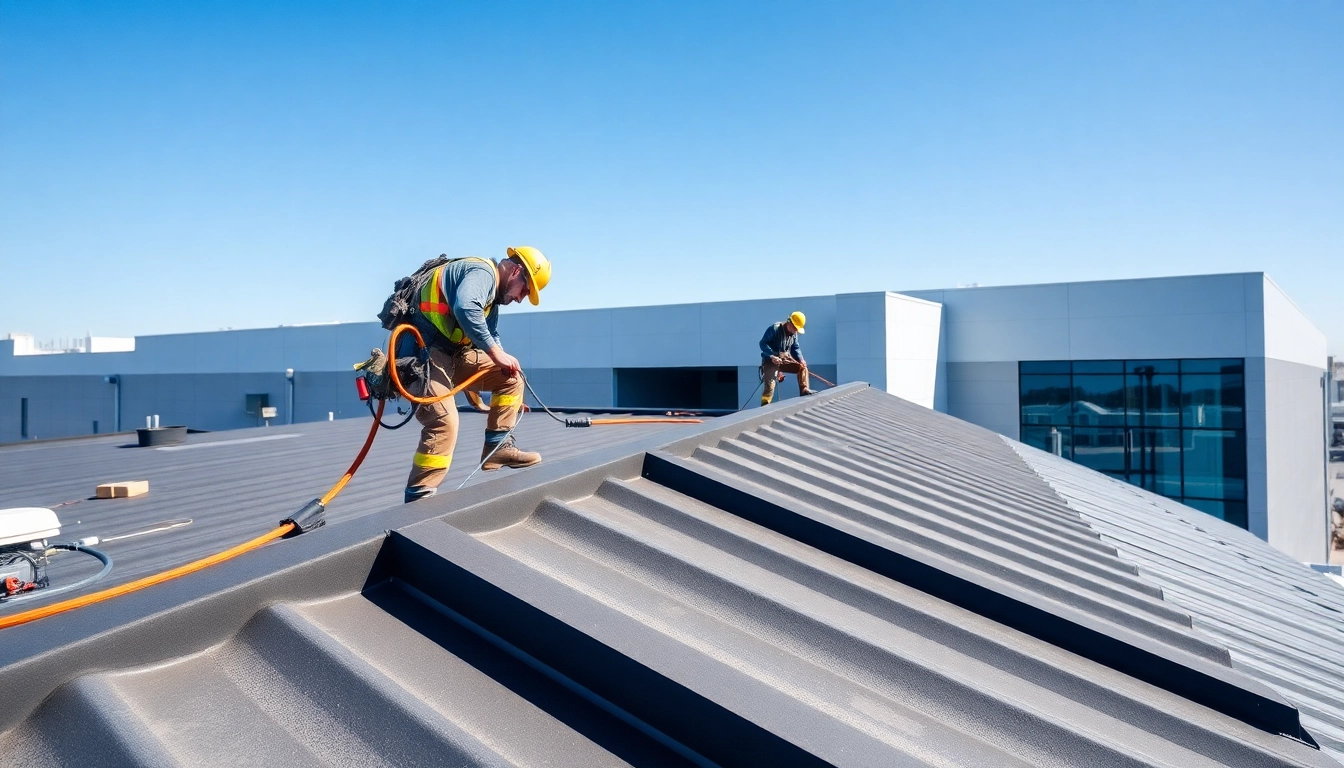
Commercial roofing services encompass a wide range of solutions specifically designed to meet the unique needs of businesses and commercial properties. Unlike residential roofing, commercial roofs are typically larger, more complex, and constructed from different materials. These services include installation, repair, and maintenance of roofs for various types of buildings, such as retail stores, warehouses, office buildings, and industrial facilities. Businesses often seek commercial roofing services to ensure the durability of their roofs, protect their assets, provide safety for occupants, and comply with local regulatory standards.
The Importance of Quality Roofing in Business Operations
The roof is one of the most critical components of a commercial structure. It not only protects the building from harsh weather conditions like rain, snow, and winds but also contributes to energy efficiency. Quality roofing can enhance the overall curb appeal of your business, leading to better customer impressions. Moreover, a well-maintained roof prevents costly leaks, moisture buildup, and subsequent structural damage that could hamper daily operations. Investing in reliable roofing solutions plays a crucial role in safeguarding a company’s investments and maintaining operational continuity.
Types of Commercial Roofing Solutions Available
Various roofing solutions cater to the specific requirements of commercial buildings, each with its unique benefits. The following are some common types:
- Flat Roofing: Often used in commercial buildings, flat roofs are easy to install and maintain. Materials such as TPO (Thermoplastic Olefin), EPDM (Ethylene Propylene Diene Monomer), and PVC (Polyvinyl Chloride) are popular choices for their durability and cost-effectiveness.
- Metal Roofing: Known for its longevity, metal roofs are increasingly popular in commercial settings. They are lightweight, energy-efficient, and reflect heat, which can help lower cooling costs. Common materials include aluminum, steel, and galvanized metal.
- Built-Up Roofing (BUR): This traditional roofing system consists of multiple layers of asphalt and fabric, offering excellent waterproofing qualities and heat resistance, which are highly beneficial in urban areas.
- Green Roofing: With environmental awareness on the rise, green roofs—covered with vegetation—are becoming a viable option for businesses looking to reduce their carbon footprint while providing insulation and longevity.
- Shingle Roofing: Though less common in commercial properties, asphalt shingles can be used in specific settings, offering aesthetic versatility and affordability.
Choosing the Right Commercial Roofing Service Provider
Key Factors to Consider When Hiring
Choosing the right provider for commercial roofing services is critical to ensuring a successful project. Here are some crucial factors to consider:
- Experience: Ensure the contractor has extensive experience in commercial roofing. Look for providers with a proven track record in your specific type of roofing material.
- Licensing and Insurance: Verify that the roofing contractor is licensed and insured, protecting your business from potential liabilities.
- References and Reviews: Make it a point to check online reviews and request references from past clients. This will give you insight into their reliability and quality of work.
- Warranty and Maintenance Plans: A good roofing service provider should offer warranties on their work and maintenance plans to ensure the roof’s longevity.
Evaluating Experience and Expertise in Roofing
Understanding the experience and expertise of a commercial roofing provider is essential for project success. Check for qualifications, certifications, and any affiliations with industry organizations. Knowledgeable contractors will be up-to-date on the latest materials, technologies, and installation techniques, which can greatly impact the roof’s performance over time.
How to Assess Service Quality and Customer Support
Excellent service quality and customer support often distinguish professional roofing contractors from the competition. Engaging with potential providers and asking questions about their process, timeline, and projected outcomes can help gauge their customer service approach. Ensure they prioritize communication, demonstrate professionalism, and have a skilled team of roofing specialists capable of addressing issues promptly.
Common Commercial Roofing Problems and Solutions
Identifying Signs of Wear and Tear
Commercial roofs face numerous threats due to exposure to the elements. Over time, wear and tear are inevitable. Common signs include:
- Leaks and water stains on ceilings or walls.
- Cracks or blisters on the roofing surface.
- Pooled water on flat roofs after rain.
- Missing or damaged shingles or flashing.
Regular inspections can help identify these issues early, allowing for timely repairs that can mitigate extensive damage.
Preventive Maintenance for Longevity
Implementing a preventive maintenance program is essential for prolonging the life of your commercial roof. A professional roofing contractor can develop a maintenance checklist that includes routine inspections, cleaning debris, checking for leaks, and addressing minor issues before they escalate. Regular maintenance not only enhances the roof’s lifespan but can also help keep warranty coverage intact.
Emergency Repairs and Their Importance
Emergency scenarios can arise from severe weather, accidents, or unexpected deterioration, demanding immediate attention. Quick emergency repairs can prevent further damage to the exterior and interior of the building, thereby protecting valuable assets and infrastructure. Ensuring your roofing service provider offers emergency response capabilities can provide peace of mind in times of crisis.
Innovations in Commercial Roofing Services
Latest Trends in Roofing Technology
The roofing industry continuously adapts to new technologies aimed at improving durability, energy efficiency, and performance. Current trends include:
- Drone Inspections: Using drones for inspections allows for a safer, faster, and more detailed examination of roofs without the danger of climbing ladders or scaffolding.
- 3D Modeling: Advanced software enables contractors to create 3D models and simulations before installation, ensuring accuracy and enhancing project management.
- Smart Roofing Technologies: IoT-enabled systems are now available to monitor roof conditions in real time, allowing for proactive maintenance and potential cost savings.
Energy-Efficient Roofing Solutions
As energy costs rise and regulatory requirements increase, energy-efficient roofing solutions are becoming a priority for businesses. Options such as cool roofing, reflective coatings, and green roofs contribute to reduced energy consumption by enhancing insulation and minimizing heat absorption. Such roofs not only lower utility bills but may also qualify for tax incentives and rebates.
Eco-Friendly Materials and Their Benefits
In response to environmental concerns, many businesses are opting for eco-friendly roofing materials. Sustainable options like recycled metal, rubber, and even solar tiles promote a reduction in carbon footprint while often providing excellent durability and energy efficiency. Choosing eco-friendly materials can also improve a company’s image and appeal to environmentally conscious consumers.
Maximizing the Value of Your Commercial Roofing Investment
Cost Factors Influencing Commercial Roofing Services
When considering the cost of commercial roofing services, various factors come into play:
- Type of Roofing Material: The material selected significantly impacts the overall project cost, with options ranging from economical asphalt shingles to high-end metal roofs.
- Building Size and Complexity: Larger or more complex roof structures require more materials and labor, increasing costs. Proper planning is key.
- Geographic Location: The area where the building is located may influence material availability and labor costs, further affecting the price.
- Additional Features: Custom features such as skylights, ventilation systems, and drainage can also contribute to higher costs.
Long-Term Benefits of Professional Roofing
Investing in professional roofing services pays off in numerous ways. Quality roofs performed by experienced contractors often last significantly longer than DIY efforts or subpar installations. Benefits include: improved roof lifespan, lower long-term maintenance costs, increased energy efficiency, and enhanced property value. Furthermore, solid roofing services equip businesses with warranties that protect against unexpected repairs.
Measuring Performance Metrics for Your Roofing
Understanding the performance of your roofing solution can guide maintenance and future investments. Performance metrics to consider include:
- Leak Frequency: Track issues over time to identify patterns and needs for improvement.
- Energy Costs: Monitor energy bills before and after installing energy-efficient solutions to evaluate ROI.
- Inspection Reports: Regularly review roof inspection reports to ensure the longevity and safety of the roof.
- Customer and Employee Feedback: Take note of any concerns that arise regarding roof aesthetics or functionality from occupants.
About the Author