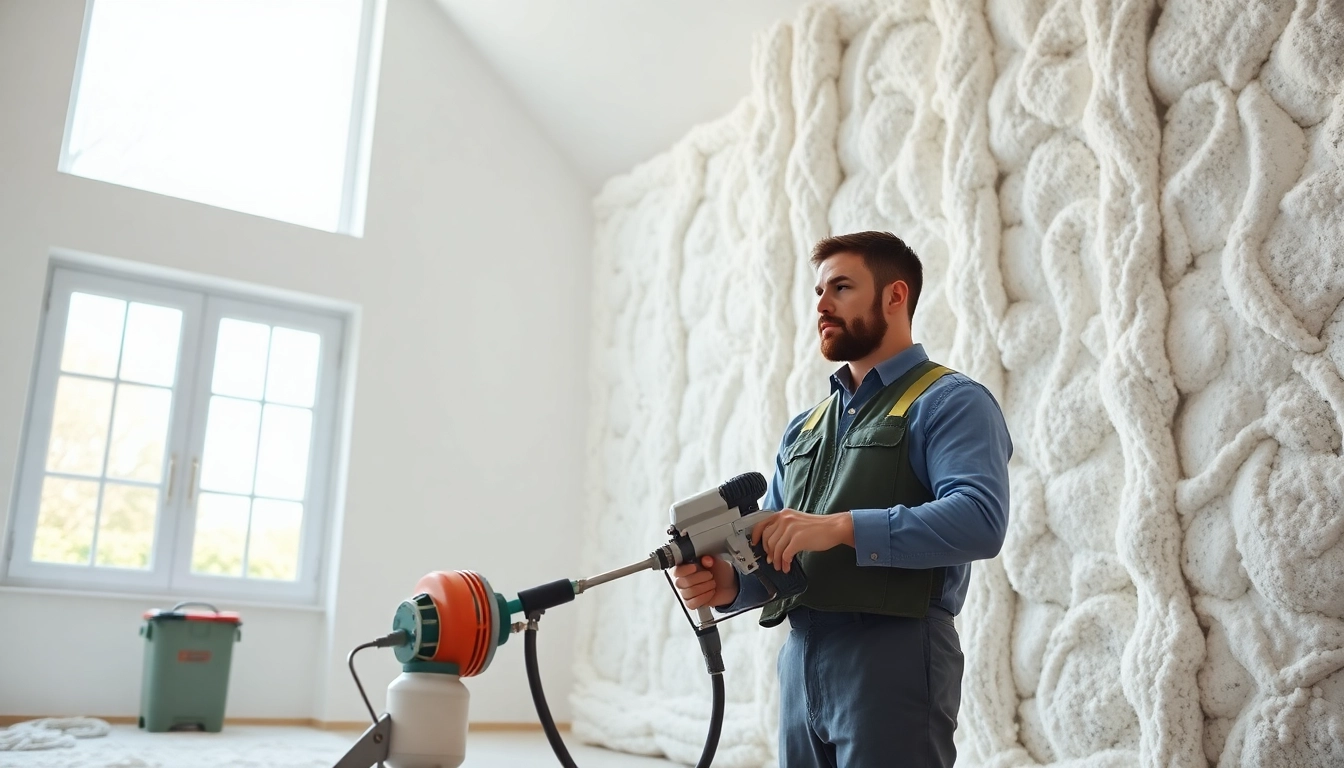
Introduction to Spray Foam Insulation
Spray foam insulation is an innovative building material that has gained significant traction in the construction and renovation markets. This product is typically applied as a liquid that expands and hardens upon contact, filling gaps and improving a building's thermal efficiency. As more homeowners and builders turn to spray foam for its energy-saving benefits, the realities of financing this solution also come to light. An essential aspect of acquiring finance for such insulation involves understanding the challenges surrounding lenders refusing spray foam insulation.
What Is Spray Foam Insulation?
Spray foam insulation is a two-component product made from isocyanate and polyol resin, which, when combined, produce a foam that can expand up to 30 times its original volume. This unique property allows it to seamlessly fill cracks, gaps, and cavities in walls, ceilings, and floors, creating an airtight seal that enhances a home's energy efficiency. Its application ranges from residential homes to commercial buildings, making it a versatile choice in many construction projects.
Advantages of Spray Foam Insulation
The advantages of spray foam insulation are numerous, making it a popular choice among homeowners and builders alike. Some of the key benefits include:
- Energy Efficiency: Spray foam insulation provides superior insulating properties, significantly reducing heating and cooling costs.
- Air Quality Improvement: By sealing gaps, it prevents dust, pollen, and pollutants from entering the home, thus improving indoor air quality.
- Moisture Barrier: Spray foam serves as an effective barrier against moisture, reducing the risk of mold growth.
- Longevity: Compared to traditional insulation materials, spray foam can last for many years without degrading, maintaining its performance over time.
- Sound Dampening: The dense structure of spray foam helps reduce noise transmission, creating a quieter living environment.
Common Applications of Spray Foam Insulation
Spray foam insulation is utilized in various settings, including:
- Attics: Filling the space between rafters to enhance roofing insulation.
- Walls: Applied in new constructions or renovations to seal air leaks and improve energy efficiency.
- Basements and Crawl Spaces: Preventing moisture infiltration and improving overall performance of the home.
- Commercial Buildings: Used in warehouses and office spaces for improved thermal performance.
Reasons Lenders Refuse Spray Foam Insulation
While spray foam insulation offers many benefits, there are several reasons why lenders may refuse to finance projects involving this material. Understanding these reasons can help homeowners address concerns proactively.
Financial Implications of Spray Foam Insulation
One of the primary concerns lenders have revolves around the financial implications of using spray foam insulation. The initial cost of spray foam can be significantly higher than traditional insulation methods. Many lenders focus on the project's return on investment (ROI) and overall financial viability. For homes with already strained financial conditions, lenders may see this investment as too risky, leading to refusals.
Health Concerns Associated with Spray Foam
Health issues surrounding spray foam insulation often arise during and after application. The chemicals in spray foam can pose health risks if not handled correctly, such as respiratory issues or skin irritations. Lenders may be wary of financial liability stemming from potential health concerns, causing them to avoid financing projects with spray foam unless they are certain about safety compliance.
Building Regulations and Compliance Issues
Compliance with local building regulations is essential for any construction project. Each municipality has its own set of rules governing insulation materials and their applications. Lenders often require a review of compliance documentation, and if the insulation does not comply with local building codes, it can lead to financing refusals. Homeowners must ensure that any spray foam product they use meets these guidelines to mitigate lender concerns.
How to Overcome Lender Refusals
If you've encountered a lender refusing financing for your spray foam insulation project, don’t despair. There are several proactive steps you can take to improve your chances of obtaining the necessary funds.
Improving Your Insulation Application
One way to address lender concerns is by ensuring a professional-grade installation of your spray foam insulation. Collaborating with certified contractors who adhere to industry standards can provide reassurance to lenders about the quality and safety of the application. Additionally, acquiring an insulation evaluation from a respected third-party organization can further enhance your credibility.
Working with Professional Insulation Contractors
Engaging with reputable insulation contractors is vital. A contractor with comprehensive experience and a good record may also provide documentation and references that lend credibility to your application, easing lenders' concerns. Always check for licenses, insurance, and client testimonials before selection to ensure you're working with qualified professionals.
Gathering Necessary Documentation
Documentation can make or break your financing application. Ensure you have all necessary documentation, including installation receipts, compliance certifications, and health and safety assessments. Having a complete file demonstrates diligence and preparedness, which can help persuade lenders to approve your application.
Alternative Insulation Options
If financing for spray foam insulation is unattainable, there are several alternative insulation materials that may be more favorable to lenders.
Comparing Spray Foam with Other Insulation Types
Common alternatives to spray foam include fiberglass and cellulose insulation. For many homes, fiberglass insulation is less expensive and often acceptable by lenders. Cellulose, derived from recycled materials, can also provide good thermal resistance. While these options may not be as efficient as spray foam, they can be more easily financed and installed in various home projects.
Choosing Cost-Effective Solutions
When seeking cost-effective insulation solutions, consider not only the upfront costs but also the long-term savings. Insulation materials with lower initial costs may lead to higher energy expenses if they fail to perform adequately. Be sure to evaluate the full cost of ownership to make an informed decision.
Environmental Impact of Different Insulation Materials
Each insulation type carries its own environmental footprint. Spray foam, while effective, has a mixed reputation due to its chemical makeup. Alternatives might present a greener option for environmentally conscious homeowners. Choose materials that are sustainably sourced and have a low impact on indoor and outdoor environments to align with ecological efforts.
FAQs on Lenders Refusing Spray Foam Insulation
What common reasons do lenders have for refusing financing?
Lenders may refuse financing due to concerns about health risks, financial viability, or regulatory compliance associated with spray foam insulation.
Is spray foam insulation a risky investment for homeowners?
Spray foam insulation can be a substantial investment; however, it offers significant energy savings and comfort when properly installed.
What steps can I take if my lender refuses my application?
To overcome a refusal, gather detailed installation documentation, consider alternative insulation types, and possibly seek a second lender.
Are there specific regulations affecting spray foam insulation?
Yes, local and national building codes often dictate material usage, environmental safety, and health regulations for insulation products.
Can alternative insulation materials be as effective as spray foam?
Yes, materials like fiberglass or cellulose may offer effective insulation but differ in application, costs, and environmental impact compared to spray foam.